Microwave Pest Control for Wooden Sculptures
Woodworms, the larvae of various species of wood-boring beetles, are a persistent threat to wooden structures and furniture. Traditional methods of treatment, such as chemical insecticides, freezing, or heat treatment, can be effective but often come with drawbacks including toxicity, long treatment times, or the risk of damaging the wood. In recent years, microwave equipment has emerged as a cutting-edge solution for the elimination of woodworms, offering an efficient, safe, and environmentally friendly alternative.
Microwave technology works on the principle of electromagnetic waves, which penetrate the wood and generate heat by causing water molecules in the wood and larvae to vibrate. This localized heating raises the temperature within the wood to levels lethal to woodworms, typically between 55°C and 60°C, without causing structural damage. Unlike traditional heat treatments that require external heating or prolonged exposure, microwave systems can target the infested areas precisely, ensuring that the larvae www.shashel.eu are destroyed while preserving the integrity of the wood.
One of the main advantages of microwave treatment is its speed. Depending on the size of the wood and the level of infestation, a complete treatment can be completed in a matter of minutes to hours, compared to days required for conventional heat or chemical treatments. This rapid action is particularly useful in situations where immediate remediation is necessary, such as in heritage buildings, museums, or antique furniture restoration. Additionally, microwave treatment is chemical-free, making it safer for humans, pets, and the environment. This method eliminates the need for toxic insecticides that can leave residues or require long ventilation periods.
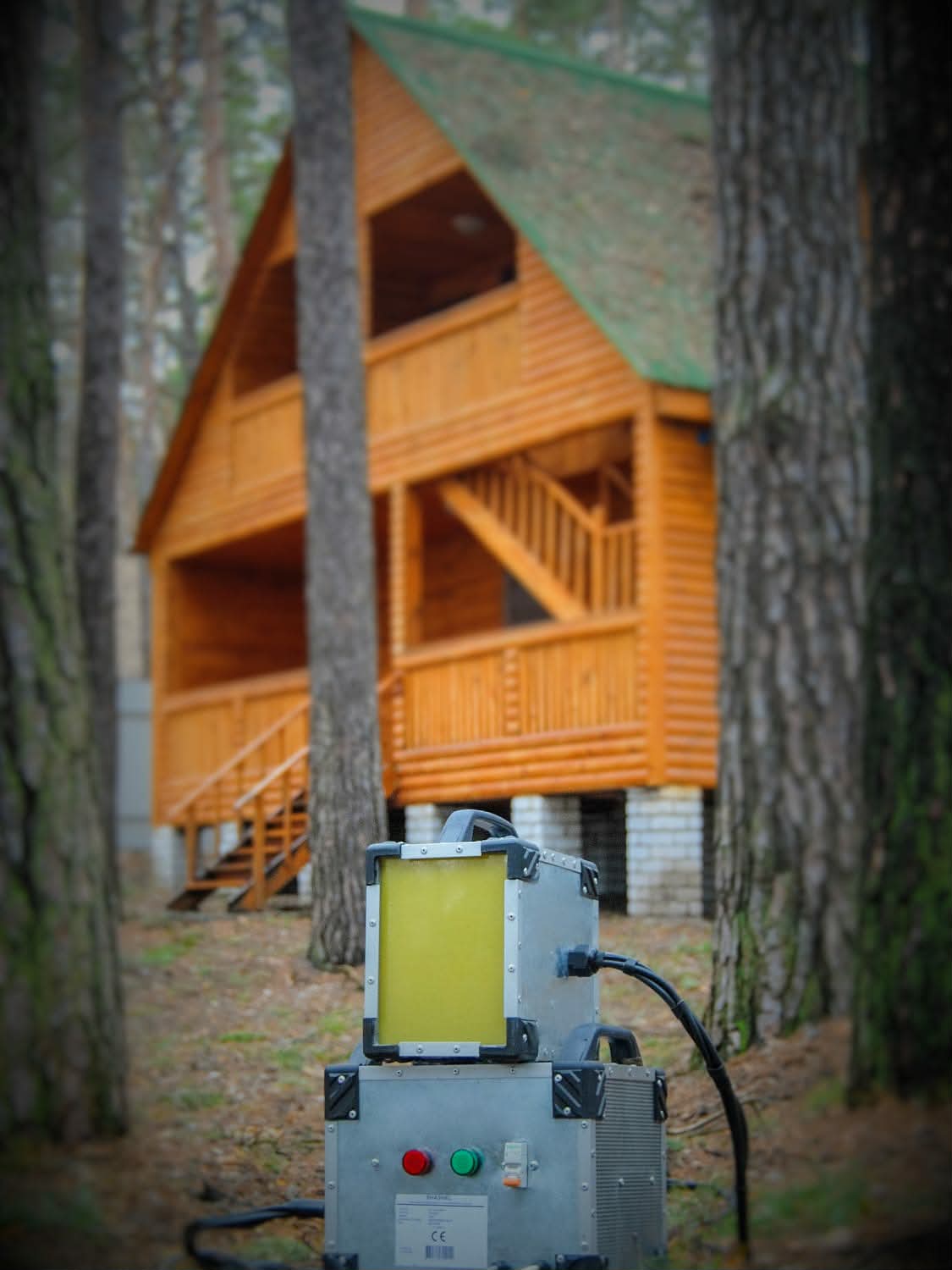
Modern microwave equipment designed for woodworm eradication is versatile and user-friendly. Portable units are available for smaller furniture or localized infestations, while larger, industrial-scale systems can treat beams, doors, and even entire wooden structures. Many units feature adjustable power settings, temperature sensors, and timers, allowing operators to customize treatments based on the type of wood and the severity of the infestation. Some advanced systems even include scanning technology to detect larvae locations, ensuring that the treatment is precise and highly effective.
Despite its many benefits, it is important to follow safety guidelines when using microwave equipment. Operators must be trained to use the equipment correctly to avoid overheating the wood, which could cause cracking or warping. Proper shielding and grounding are also necessary to prevent exposure to electromagnetic radiation. Consulting with professionals or manufacturers’ instructions is essential for achieving optimal results and protecting both the operator and the treated wood.
In conclusion, microwave equipment represents a modern, efficient, and eco-friendly solution for the elimination of woodworms. By leveraging controlled electromagnetic energy, it eradicates larvae quickly, safely, and effectively while preserving the structural integrity of the wood. As technology advances and awareness grows, microwave treatment is likely to become a preferred method for protecting wooden furniture, structural beams, and valuable antiques from the damaging effects of woodworm infestations.